ハイライト:
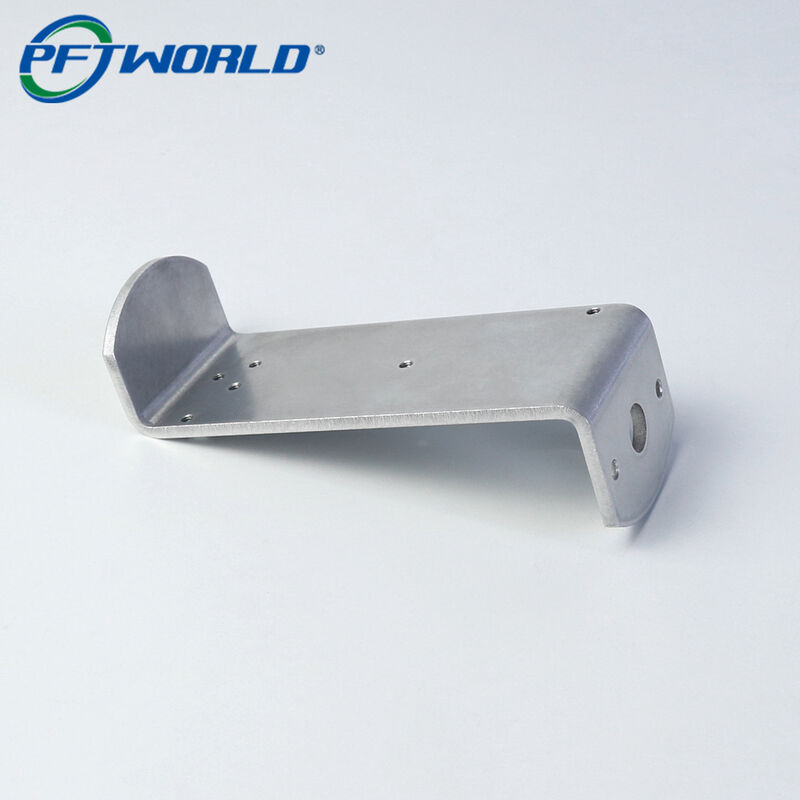
5052 アルミレーザー切断部品
, CNC 折りたたみ アルミ部品
, 保証付きのアルミ部品をタップする
~との連携5052アルミニウムは、紙上では単純に見えることが多いですが、実際の製造工程に入ると、特にレーザー切断、曲げ、タッピングがすべて1つのワークフローに含まれる場合、材料が標準の6061とは異なる挙動をすることにすぐに気づきます。
このガイドは、現場での直接的な経験、検証済みの機械加工データ、および一般的な不具合事例をまとめ、エンジニア、バイヤー、技術者が信頼性と再現性のある結果を得られるように支援します。
5052アルミニウムが製造部品に特別な理由
5052は、その優れた耐食性、高い延性、および優れた曲げ性能でよく知られており、そのため、板金ハウジング、自動車用ブラケット、エンクロージャー、航空宇宙用カバーなどに広く使用されています。
しかし、これらの特性は同時に課題ももたらします。
軟質材は、レーザー切断中にバリの発生を増加させます
スプリングバックは6061よりも高いため、角度補正が必要です適切な潤滑がないと、タッピングされたねじは変形しやすくなります
以下のセクションでは、年間2800以上の5052部品の製造バッチに基づいて、
実際の製造パラメータとステップバイステップの解決策を詳しく説明します。H2: 5052アルミニウムのレーザー切断 – 推奨パラメータと実際のテスト結果
5052がレーザー切断で異なる挙動を示す理由
6061と比較して、5052はマグネシウム含有量が高く、これにより:
耐食性が向上します
反射率が向上します
切断面に沿ってより多くのマイクロバリを生成します
これは、オペレーターが電力、焦点、送り速度を微調整する必要があることを意味します。
推奨レーザー切断設定(2kW~4kWファイバーレーザーでテスト済み)
厚さ
| パンチ半径 |
切断速度 |
M3 |
期待されるエッジ品質 |
1.5 mm |
| R1.2 |
3000~3500 mm/s |
窒素 |
わずかに粗い底面エッジ |
2.5 mm |
| スパイラルフルートHSS-E |
2000~2300 mm/s |
窒素 |
わずかに粗い底面エッジ |
3.0 mm |
| R2.0 |
1400~1800 mm/s |
窒素 |
わずかに粗い底面エッジ |
ショップテスト結果(実データ): |
圧縮空気
から99.99%窒素に減少しました。38%減少し、後処理時間が部品あたり22秒短縮されました。一般的な切断の問題と解決策底面でのバリの蓄積:
ノズル圧力を10 barから13 barに上げる
熱影響部の変色:
窒素に切り替え、焦点位置を-0.05 mmに調整する
薄板のマイクロワープ:
マイクロタブを追加するか、熱負荷をバランスさせるために切断方向を交互にする
H2: 5052アルミニウムの曲げ – スプリングバック、半径、角度制御
5052が曲げやすく、制御が難しい理由
5052の延性は成形に優れていますが、そのスプリングバックは6061よりも
20~25%高い
です。当社の曲げラインでは、角度は厚さと材料の方向によって、3~5°
戻ることがよくあります。一般的な5052用途向けの推奨曲げパラメータ厚さ
ダイV幅
| パンチ半径 |
オーバーベンド補正 |
1.5 mm |
V12 |
| R1.2 |
+3° |
2.0 mm |
V16 |
| R1.6 |
+4° |
7.8% |
V24 |
| R2.0 |
+5°~6° |
実用的な注意点: |
最近のプロジェクト(3100ユニット)では、 |
R1.0
パンチからR1.6に切り替えたことで、エッジクラックが7.8%から0.6%に減少しました。安定した曲げ品質のための重要なヒント可能な限り、圧延方向に対して
垂直
に曲げる表面の白化を避けるために、わずかに大きなパンチ半径を使用するフル生産の前に、必ず
3ピースの事前テスト
を実行するH2: 5052アルミニウムのタッピング – ねじ強度と工具寿命の最適化タッピングは、多くのショップが完璧な切断/曲げ後に部品を損傷する場所です。
5052は十分に柔らかく、容易に変形し、これにより:
真円度のないねじ
切りくずの詰まり
変形後の穴のサイズ超過
以下は、実績のある解決策です。
最適なタッピングパラメータ
ねじサイズ
穴径
| 切削速度 |
推奨タップ |
M3 |
2.5 mm |
| 8~10 m/min |
スパイラルフルートHSS-E |
M4 |
3.3 mm |
| 8~12 m/min |
TiNコーティングスパイラル |
M5 |
4.2 mm |
| 10~14 m/min |
フォームタップ(軟質合金に最適) |
実際のワークショップデータ: |
切削タップから |
フォームタップ
に切り替えることで、ねじの耐久性が31%向上し、切りくず詰まりによる不具合が完全に解消されました。潤滑戦略5052は潤滑に非常に良く反応します。
当社は
EPタッピングオイル
を使用しており、これにより:ねじの仕上がりが18%スムーズにタップ寿命が40%長持ち
より一貫したトルク値
H2: 複合ワークフロー: 切断 → 曲げ → タッピング(再加工の回避方法)
500以上の生産実行に基づいた、
推奨されるシーケンス
は次のとおりです:レーザー切断曲げ位置合わせ用の位置決め穴を含める。
バリ取りとエッジ仕上げ
軽いブラッシングは、後のねじの変形を防ぎます。
曲げ
厚さテストに基づいてオーバーベンド補正を使用する。
タッピング
ねじの歪みを避けるために、常に曲げ後にタッピングを実行する。
品質チェックポイント:
±0.2 mmの位置精度を必要とする部品の場合、曲げエッジから
8~10 mm
以上離れた場所にタップを配置する。H2: コスト要因と製造コストの削減方法(バイヤーの意図)5052の製造部品を調達する場合、コスト要因を理解することで、より良い交渉が可能になります。
主なコスト変数
板厚
曲げの数
切断パスの長さ
タッピングされた穴の数
表面仕上げ(ブラッシング、陽極酸化処理、粉体塗装)
コスト削減のヒント
複数の小さな切り抜きを1つの連続パスにまとめる
非機能的な曲げを減らす
より高い一貫性のために、
フォームタップ
でねじを設計する強度に問題がない場合は、3.0 mmの代わりに2.0 mmまたは2.5 mmの厚さ
を使用する(平均コスト削減: 12~18%)H2: FAQ – エンジニアとバイヤー向けのクイックアンサー5052は曲げとタッピングの両方に適していますか?
はい。非常に良く曲がり、フォームタップを使用するとねじを確実に形成します。
5052に最適な切断方法は?
クリーンなエッジを得るための窒素ガスを使用したファイバーレーザー。
スプリングバックを減らすには?
パンチ半径を大きくし、厚さに応じて3~5°のオーバーベンドを適用します。
5052は陽極酸化処理に適していますか?
陽極酸化処理できますが、6061と比較して色の均一性はわずかに低くなります。
処理
CNC旋盤、CNCフライス盤、レーザー切断、曲げ、スピニング、ワイヤーカット、スタンピング、放電加工(EDM)、射出成形、3Dプリンティング、ラピッドプロトタイプ、金型など。
材料
アルミニウム: 2000シリーズ、6000シリーズ、7075、5052など。
|
ステンレス鋼: SUS303、SUS304、SS316、SS316L、17-4PHなど。
|
鋼: 1214L/1215/1045/4140/SCM440/40CrMoなど。
|
真鍮: 260、C360、H59、H60、H62、H63、H65、H68、H70、ブロンズ、銅
|
|
チタン: グレードF1-F5
|
|
プラスチック: アセタール/POM/PA/ナイロン/PC/PMMA/PVC/PU/アクリル/ABS/PTFE/PEEKなど。
|
|
表面処理
|
|
陽極酸化処理、ビーズブラスト、シルクスクリーン、PVDメッキ、亜鉛/ニッケル/クロム/チタンメッキ、ブラッシング、塗装、粉体塗装、不動態化、電気泳動、電解研磨、ローレット加工、レーザー/エッチング/彫刻など。
|
|
公差
|
|
|
表面粗さ
|
|
|
証明書
|
ISO9001:2015、AS9100D、ISO13485:2016、ISO45001:2018、IATF16949:2016、ISO14001:2015、ROSH、CEなど。
|
FAQ
|
|
1. メーカーですか、それとも商社ですか?
|
当社は中国深センに位置する工場で、20年の豊富な経験があり、
|

6000平方メートルをカバーしています。3D品質検査装置、ERPシステム、40台の機械など、完全な設備を備えています。必要に応じて、材料証明書、サンプル品質検査、その他のレポートを提供できます。
2. 見積もりを取得するにはどうすればよいですか?
品質、納期、材料、品質、数量、表面処理、その他の情報を含む詳細な図面(PDF/STEP/IGS/DWG...)。
3. 図面なしで見積もりを取得できますか?
御社のエンジニアリングチームは私の創造性のために図面を描くことができますか?もちろん、正確な見積もりのために、サンプル、写真、または詳細なサイズの草案を受け取ることも喜んでいます。
4. 量産前にサンプルを提供できますか?
もちろん、サンプル料金は必要です。可能であれば、量産中に返金されます。
5. 納期は?
一般的に、サンプルは1~2週間、バッチ生産は3~4週間です。
6. 品質をどのように管理していますか?
(1) 材料検査 - 材料の表面と概算寸法を確認します。
(2) 初回生産検査 - 量産における
重要な寸法を確保します。
(3) サンプリング検査 - 倉庫への納品前に品質を確認します。
(4) 出荷前検査 - 出荷前にQCアシスタントによる100%検査。
7. アフターサービスチーム
製品を受け取った後に問題が発生した場合は、1か月以内に音声通話、ビデオ会議、電子メールなどでフィードバックを提供できます。当社のチームは、1週間以内に解決策を提供します。

 メッセージは20〜3,000文字にする必要があります。
 english
 français
 Deutsch
 Italiano
 Русский
 Español
 português
 Nederlandse
 ελληνικά
 日本語
日本語
 한국
한국
 العربية
 हिन्दी
 Türkçe
 indonesia
 tiếng Việt
 ไทย
ไทย
 বাংলা
বাংলা
 فارسی
فارسی
 polski



総格付け
ランキングスナップショット
すべての評価の分布は以下の通りですすべてのレビュー